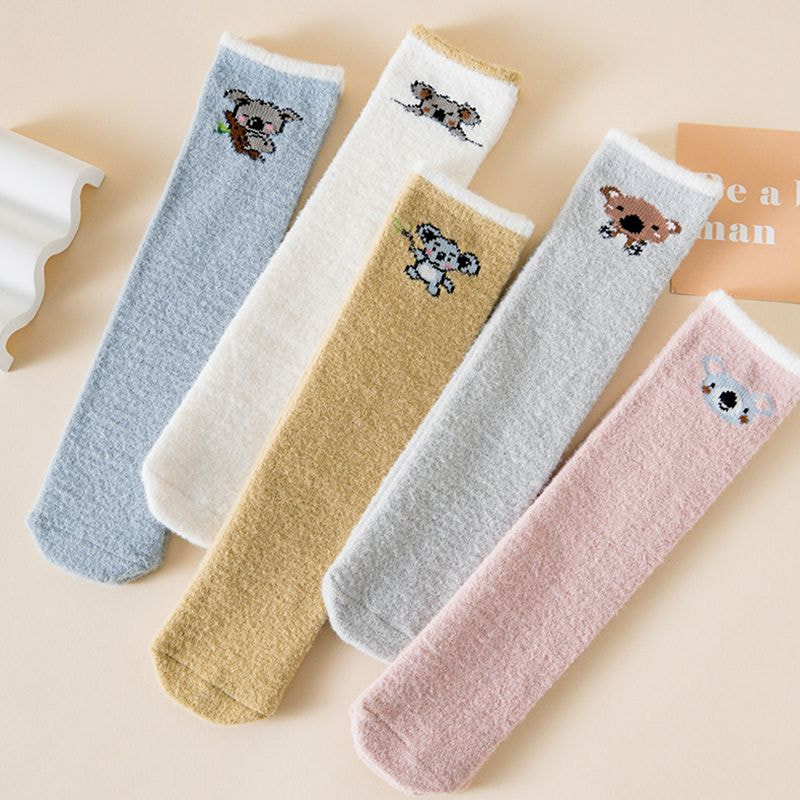
Dětské ponožky jsou tvarovány především dvěma kombinovanými procesy, počáteční fází pletení, která tvoří základní strukturu trubice a paty ponožky na okrouhlém pletacím stroji, následuje proces tepelného tuhnutí zvaný boarding, kdy je ponožka natažena přes kovovou formu ve tvaru nohy a vystavena řízenému teplu a páře, aby zafixovala svou konečnou velikost a tvar. Tento dvoufázový přístup je to, co dává hotovo dětské ponožky jejich konzistentní střih, hladký vzhled a schopnost držet tvar mytí po umytí, místo aby se spoléhaly na pouhé natažení, aby se přizpůsobily dětské noze.
Níže uvedené části podrobně rozebírají každou fázi procesu tvarování, spolu s vybavením, materiály a kontrolami kvality, které jsou součástí výroby dobře padnoucích dětských ponožek.
Počáteční tvarování během pletení
Proces tvarování ve skutečnosti začíná před nástupem na palubu, ve fázi pletení, kde se nejprve formuje základní struktura a proporce ponožky.
Konstrukce kruhového pletacího stroje
Dětské ponožky jsou obvykle vyráběny na okrouhlých pletacích strojích, které konstruují ponožku jako souvislou trubici, která automaticky tvoří kapsu na patě a uzavírání špičky pomocí naprogramovaných pohybů jehly. Nastavení stroje, jako je počet jehel a hustota stehu, jsou upravena speciálně pro menší velikosti ponožek, protože dětské ponožky vyžadují jemnější kalibraci, aby udržely proporcionální přizpůsobení ve srovnání s velikostí pro dospělé.
Žebrová struktura pro tvarování kotníku a manžety
Manžeta a oblast kotníku jsou pletené pomocí žebrovaného stehu, který poskytuje přirozenou elasticitu, která pomáhá ponožce přilnout k noze, aniž by vyžadovala nadměrnou těsnost. Toto žebrování je klíčovou součástí tvaru ponožky ještě před nástupem, protože určuje, jak dobře zůstane svršek ponožky na svém místě při aktivním pohybu typickém pro děti.
Vysvětlení procesu nástupu
Nastupování je fáze, která je přímo zodpovědná za to, že ponožkám dává jejich konečný, konzistentní tvar, a zahrnuje kombinaci mechanického natahování a tepelného zpracování.
Umístění ponožek na formy ve tvaru nohy
Po upletení se každá ponožka přetáhne přes kovovou nebo hliníkovou desku ve tvaru chodidla a bérce, jejichž velikost odpovídá zamýšlenému rozsahu velikostí ponožek. To natáhne pleteninu do správných proporcí a vyhladí veškeré nerovnosti z procesu pletení.
Nastavení tepla a páry
Když je ponožka natažena na formu, je vystavena páře a teplu, typicky v rozsahu 110 až 130 stupňů Celsia na krátkou dobu v závislosti na obsahu vlákniny, která vlákna uvolňuje a umožňuje jim ztuhnout do nového tvaru. Tento krok je zvláště důležitý pro syntetická a smíšená vlákna, protože tepelné vytvrzení uzamkne tvar na molekulární úrovni, což pomáhá ponožce odolávat srážení nebo deformaci po opakovaném praní.
Chlazení a tvarová stálost
Po vystavení teplu jsou ponožky ochlazeny ještě ve formě, což umožňuje vláknům stabilizovat se v jejich novém tvaru před vyjmutím. Přeskočení správné doby chlazení může vést k tomu, že ponožky rychle ztratí svůj tvar, a proto je řízená doba chlazení považována za standardní krok při výrobě kvalitních ponožek.
Proč obsah vlákniny ovlivňuje výsledky tvarování
Ne všechny materiály ponožek reagují na nastupování stejně a složení vláken výrazně ovlivňuje, jak dobře si tvar udrží v průběhu času.
| Typ vlákna | Tvarovací chování |
| Bavlněné směsi | Mírné zachování tvaru, výhody přidaného elastanu |
| Polyesterové směsi | Silná tepelná odezva, dobře drží tvar |
| Obsah elastanu nebo spandexu | Zlepšuje regeneraci protažení a konzistenci fit |
| Čistá přírodní vlákna bez strečové příze | Nižší tvarová stálost, náchylnější k prohýbání v průběhu času |
To je důvod, proč většina moderních dětských ponožek obsahuje malé procento elastanu nebo spandexu ve směsi s bavlnou nebo polyesterem, protože tato kombinace obecně poskytuje nejlepší rovnováhu mezi pohodlím, prodyšností a dlouhodobým zachováním tvaru, jak se uvádí v obecných textilních výrobních postupech.
Požadavky na velikost specifické pro dětské ponožky
Správné tvarování dětských ponožek vyžaduje zvláštní pozornost na přesnost velikosti, protože proporce dětské nohy se liší od proporcí dospělého ve způsobech, které ovlivňují padnutí.
- Nohy dětí jsou proporcionálně širší vzhledem k délce ve srovnání s chodidly dospělých, což vyžaduje přizpůsobené rozměry nástupní formy
- Růstové skoky znamenají, že velikost ponožek často musí zohledňovat malou roztažnost nad aktuální velikost chodidla dítěte.
- Tvarování paty a špičky musí být úměrně zmenšeno, spíše než pouhé zmenšování vzoru ponožek pro dospělé
- Elasticita manžety musí být dostatečně jemná, aby nedošlo k poškození citlivé pokožky a přitom stále držela ponožku na místě
Kontrola kvality po tvarování
Jakmile je nalodění dokončeno, hotové ponožky obvykle procházejí několika kontrolami, aby se potvrdilo, že proces tvarování byl před balením úspěšný.
- Vizuální kontrola rovnoměrného vyrovnání stehů a symetrického tvarování paty a špičky
- Měření porovnává délku a šířku se specifikacemi cílové velikosti
- Testování elasticity na manžetě pro potvrzení konzistentního natažení a zotavení
- Testování praní na šaržích vzorků pro potvrzení zachování tvaru po cyklech praní
Tyto kontroly pomáhají zajistit, že proces tvarování konzistentně produkuje ponožky, které správně padnou a udržují si svůj tvar pravidelným nošením a praním, což je klíčová kvalitativní očekávání u produktů, jako jsou dětské ponožky které musí vydržet aktivní každodenní používání.
Shrnutí
Tvarování dětských ponožek zahrnuje kombinaci přesného kruhového pletení k vytvoření počáteční struktury a tepelného procesu nastupování, který uzamkne konečnou velikost a tvar pomocí tvarů ve tvaru nohy, řízeného tepla a chlazení. Výběr směsi vláken, přesná velikost pro dětské proporce a důkladné kontroly kvality po tvarování přispívají k výrobě ponožek, které pohodlně padnou a drží tvar při opakovaném nošení a praní.


